Two tools, different jobs
Pressure washing relies mainly on the force of water to strip away dirt. Soft washing relies on a cleaning solution suited to the surface, applied and then rinsed at low pressure. Neither is "better" in general — each is better for certain surfaces.
The mistake many homeowners see is one method used everywhere. High pressure on a tile roof or painted stucco can do harm; low pressure alone on heavily soiled concrete may leave it looking only slightly better.
Where soft washing shines
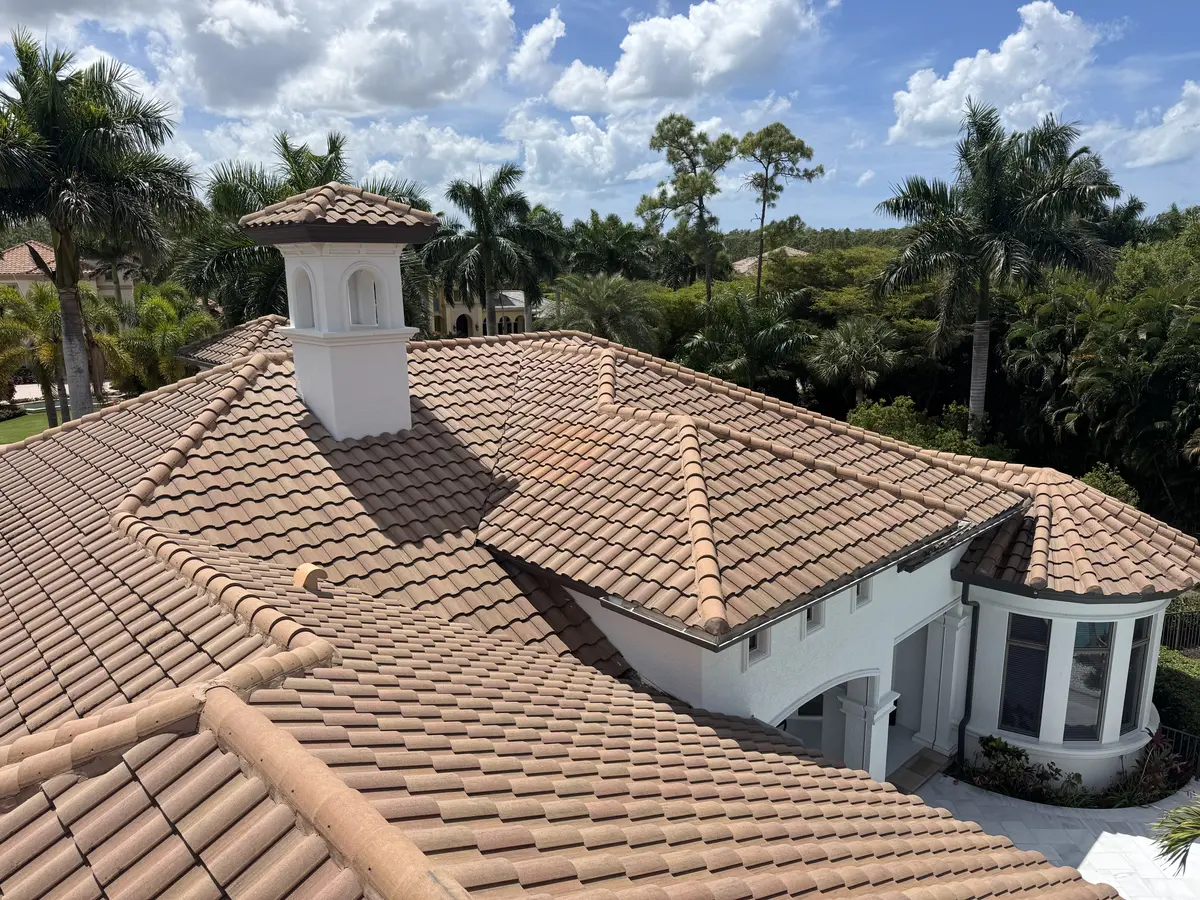
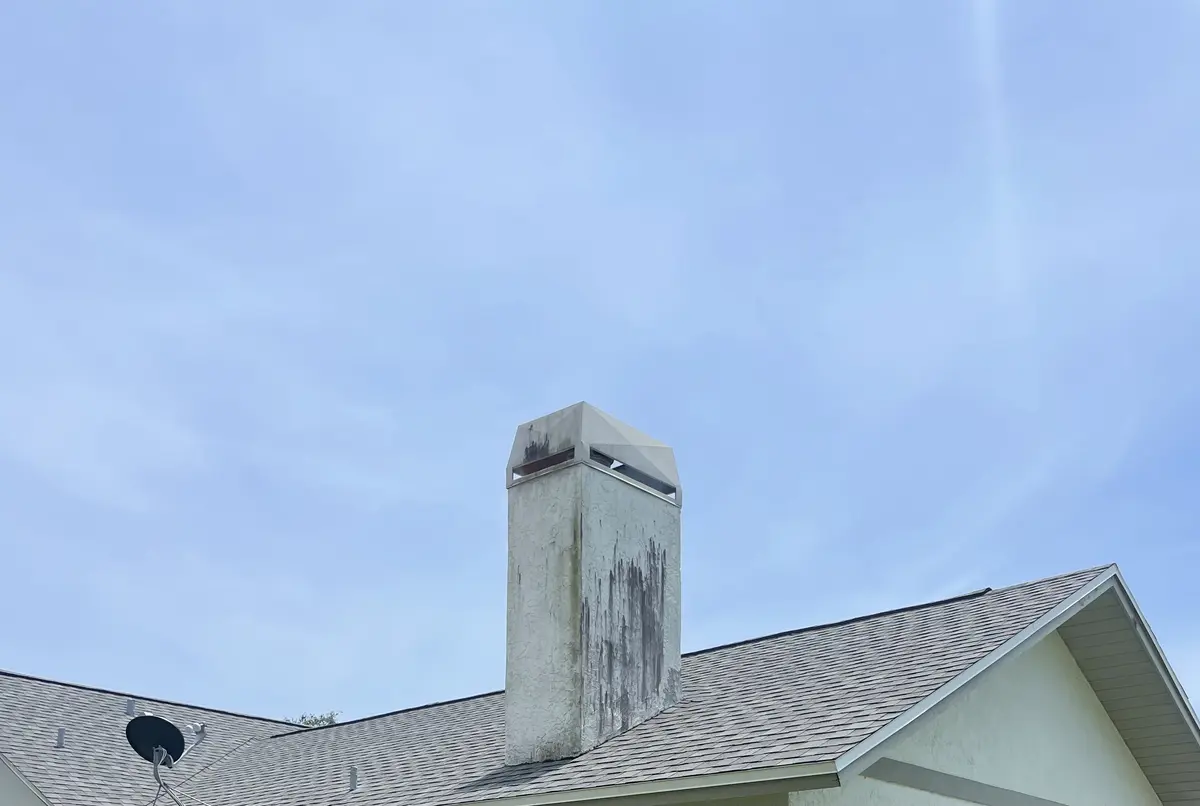
Roofs, stucco, painted siding, screens, and pool enclosures generally call for soft washing. These surfaces host organic growth — algae, mildew, and similar — that responds to the right chemistry far better than to force.
Soft washing also lets the solution reach growth embedded in texture, which is why results on roofs tend to look deeper and more even.
Where more pressure helps
Durable hard surfaces like concrete driveways, sidewalks, and curbs often benefit from controlled pressure, typically combined with pre-treatment. Even then, the operator should adjust for the surface's finish and age.
How to choose
Ask any provider how they'll handle each surface on your property. A good answer will distinguish roof from driveway, stucco from pavers. At Caloosa, Tyler explains the approach for each area during the walk-through.
Related services
This article is general guidance. Specific recommendations for your property are confirmed during a walk-through.